
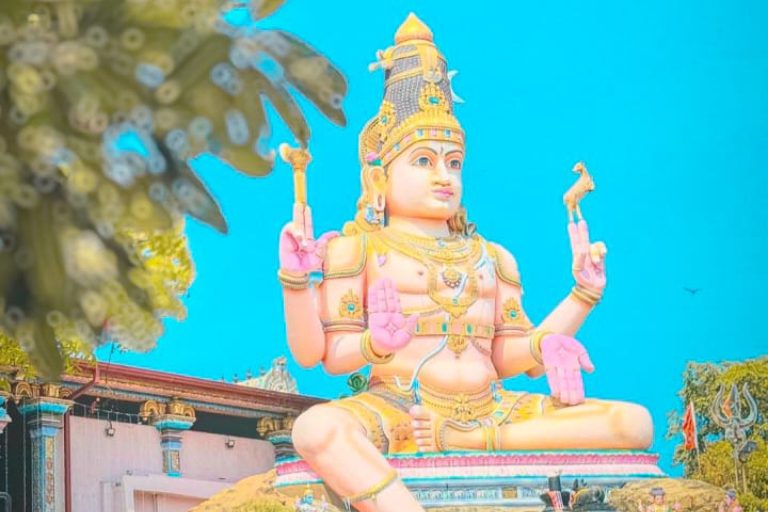
Trincomalee, historically known as Gokarna, has long been a vibrant center of Sinhalese culture and heritage. This coastal city, located on the eastern coast of Sri Lanka, boasts a proud legacy dating back over a millennium. At the heart of Trincomalee lies the iconic Koneswaram Temple, an ancient Hindu temple that has stood since at least the 7th century CE. Revered as a sacred pilgrimage site, the temple has drawn devotees for generations, symbolizing the region’s deep spiritual roots.
One of Trincomalee’s most remarkable features is its natural deepwater harbor, ranked as the fifth largest in the world. Its vast and sheltered waters have made it a coveted strategic naval base throughout history. This invaluable harbor attracted traders and explorers from far and wide-Europe, the Middle East, Africa, and Asia-all seeking to benefit from Trincomalee’s prime location along crucial maritime routes.
In the 17th century, the city became a focal point of colonial ambitions. When the Portuguese arrived, they stormed the area and destroyed the revered Koneswaram Temple, repurposing its stones to erect a fort to assert their dominance. Following this, control of Trincomalee passed into the hands of the Dutch and French before ultimately coming under British rule in 1795. Each colonial power left its mark, shaping the city’s diverse cultural and architectural landscape.
Trincomalee’s strategic importance was underscored during World War II when its harbor served as a vital naval base for Allied forces. Recognizing this, Japanese forces launched aerial attacks on the city in 1942 in an attempt to disrupt naval operations. Despite the turmoil of war and colonial conflicts, Trincomalee has remained a resilient and culturally rich city.
Today, Trincomalee is celebrated not only for its historical and religious significance but also for its natural beauty, with stunning beaches and coral reefs drawing tourists from around the globe. It continues to thrive as a symbol of Sri Lanka’s rich maritime heritage and multicultural history.